
Private plane flights have grow to be more and more well-liked among business executives, celebrities, and affluent people in search of comfort, privateness, and effectivity of their travel experiences. This report delves into varied features of private aviation, together with its advantages, sorts of aircraft, operational issues, and the future of the trade.
Benefits of Private Plane Flights
One among the first advantages of private plane flights is the significant time savings they provide. Unlike industrial airlines, which operate on fixed schedules and routes, private flights permit passengers to set their very own itineraries. This flexibility enables travelers to keep away from lengthy security lines, layovers, and delays generally related to industrial journey. Additionally, private jets can access 1000's of airports worldwide, together with smaller regional airports that are often closer to the traveler's final vacation spot.
Privateness is another key good thing about flying privately. Passengers can conduct meetings, make cellphone calls, and talk about delicate info without the concern of eavesdropping or interruptions. The luxurious environment of a private jet also permits for a more comfortable and personalised travel experience, with tailored in-flight services, gourmet catering, and spacious seating preparations.
Types of Private Aircraft
Private aviation encompasses a variety of aircraft, each designed to fulfill different travel needs. The primary classes include:
- Light Jets: Splendid for short-haul flights, gentle jets typically accommodate 4 to eight passengers and have a range of around 1,500 miles. Examples include the Cessna Citation Mustang and the Embraer Phenom 100.
Operational Issues
Operating a private plane involves numerous considerations, including ownership fashions, upkeep, and regulatory compliance. There are a number of ways to entry private aviation:
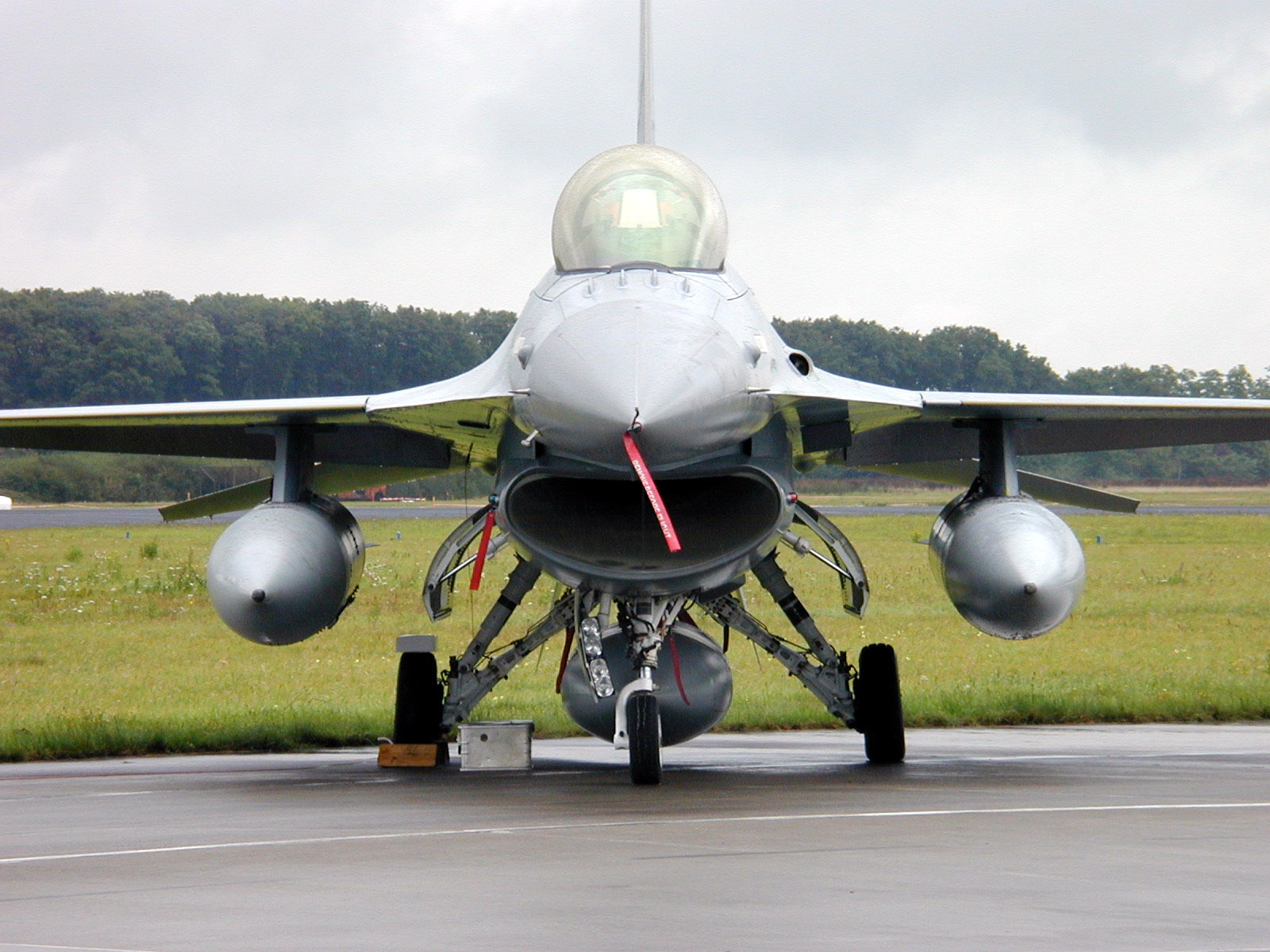
- Ownership: People or corporations can purchase their very own aircraft, which supplies full control over scheduling and utilization. Nevertheless, ownership comes with vital financial duties, including upkeep, insurance coverage, and storage prices.
Regulatory Panorama
Private aviation is subject to various rules set by aviation authorities, such as the Federal Aviation Administration (FAA) in the United States. These rules govern safety requirements, pilot certifications, and aircraft maintenance. Private operators should comply with these laws to make sure secure and legal operations.
Moreover, customs and immigration necessities could differ based mostly on the destination and the flight's origin. Private flights often benefit from expedited customs processing, permitting passengers to clear immigration more rapidly than business travelers.
The way forward for Private Aviation
The private aviation business is evolving, driven by developments in technology, altering client preferences, and a growing emphasis on sustainability. Some key trends shaping the way forward for private plane flights include:
- Sustainability: As environmental concerns develop into extra prominent, the aviation industry is exploring sustainable practices. This contains the development of sustainable aviation fuels (SAFs), which might considerably cut back carbon emissions. Additionally, manufacturers are engaged on electric and hybrid aircraft to further minimize the environmental impact of flying.
Conclusion
Private plane flights provide a singular mix of convenience, privacy, and luxurious that appeals to a diverse vary of travelers. Because the industry continues to evolve, it is important for stakeholders to adapt to changing consumer demands and regulatory requirements. With developments in know-how and a growing deal with sustainability, the future of private aviation appears promising, making certain that it stays a viable possibility for these in search of an exceptional travel expertise.