
The Retro Bean-To-Cup Coffee Machine: A Blend of Nostalgia and Modern Convenience
Coffee enthusiasts often find themselves divided between the appeal of conventional brewing methods and the benefit used by modern machines. In this age of technological developments, the retro bean-to-cup coffee machine offers a sophisticated solution that weds classic visual appeals with modern functionality. This article will explore the functions, benefits, and factors to consider of owning a retro bean-to-cup coffee machine.
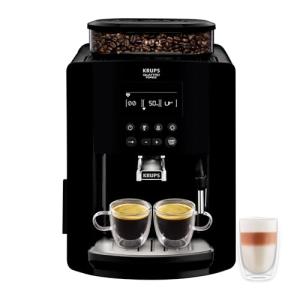
Table of Contents
- Introduction
- Functions of a Retro Bean-To-Cup Coffee Machine
- Benefits of Choosing Retro
- Comparative Analysis: Retro vs. Modern Coffee Machines
- Leading Models in the Market
- Frequently Asked Questions about Retro Bean To Cup Coffee Machine, why not look here, Bean-To-Cup Coffee Machines
- Conclusion
1. Intro
The principle of a bean-to-cup coffee machine is easy: it takes fresh coffee beans, grinds them, brews them, and gives a cup of coffee-- all at the push of a button. This development has changed the way we enjoy our daily caffeine repair, combining benefit and freshness. The retro bean-to-cup coffee machine, characterized by its vintage design and cutting-edge innovation, interest consumers who value both looks and performance.
2. Features of a Retro Bean-To-Cup Coffee Machine
Key Features
| Function | Description |
|---|---|
| Built-in Grinder | Newly grinds whole beans for optimum flavor. |
| Personalization | Alternatives for strength, cup size, and brewing time. |
| Timeless Design | Classic looks that boost kitchen decoration. |
| Milk Frother | Automatic or manual frothing for lattes and coffees. |
| Easy Maintenance | Detachable parts for simple cleaning. |
| Instinctive Controls | User-friendly user interface with programmable settings. |
Noteworthy Components
- Grinder: The heart of the machine, capable of grinding beans to different coarseness levels.
- Water Tank: Stores fresh water, often detachable for easy filling.
- Brewing Unit: Handles the developing process, which can be tailored based on personal choices.
3. Advantages of Choosing Retro
Reasons to Opt for a Retro Bean-To-Cup Machine
| Advantage | Description |
|---|---|
| Aesthetic Appeal | Adds a trendy vintage touch to any kitchen. |
| Convenience | Take pleasure in fresh coffee without the need for multiple devices. |
| Sustainability | Minimizes waste by using whole beans and frequently includes environmentally friendly elements. |
| Economical | Removes the requirement for café sees, conserving cash gradually. |
| Sophistication | Impresses visitors with its unique design and high-quality brew. |
The retro style can stimulate memories while also functioning as a conversation starter, making it an excellent addition to homes going for a cohesive classic style.
4. Comparative Analysis: Retro vs. Modern Coffee Machines
Understanding the distinctions in between retro and modern-day machines can help consumers make notified decisions.
Comparison Table
| Feature | Retro Bean-To-Cup | Modern Bean-To-Cup |
|---|---|---|
| Style | Vintage, nostalgic aesthetic. | Sleek, minimalist styles. |
| Technological Features | Standard however effective; some may do not have sophisticated tech. | Cutting-edge technology with clever features. |
| Cost Range | Generally more inexpensive. | Can be substantially more pricey for high-end models. |
| Modification | Generally offers fundamental customization. | Advanced modification for each element of brew. |
Both choices have their merits, and the very best choice ultimately depends on personal choices and lifestyle.
5. Top Models in the Market
Several retro bean-to-cup coffee machines stand out for their design and efficiency. Below is a choice of a few of the most popular designs:
| Model | Cost Range | Key Features |
|---|---|---|
| De'Longhi ECAM35020 | ₤ 800 - ₤ 1,000 | Integrated milk frother, customizable shot size. |
| Gaggia Brera | ₤ 400 - ₤ 500 | Compact style, user friendly interface. |
| Smeg ECF01 PBEU | ₤ 500 - ₤ 700 | Stylish pastel colors, retro design, and ease of use. |
| Philips 3200 Series | ₤ 900 - ₤ 1,100 | Touchscreen interface, several coffee styles. |
These machines carry out admirably while likewise serving as beautiful additions to any cooking area setup.
6. FAQs about Retro Bean-To-Cup Coffee Machines
Q1: How do I clean up a retro bean-to-cup coffee machine?
A: Most machines include removable components that can be quickly rinsed or put in the dishwashing machine. Routine cleansing of the grinder and developing system is necessary to maintain ideal efficiency.
Q2: Do retro machines take up more counter space?
A: While some designs might have a bulkier design due to retro visual appeals, lots of are designed to be compact to fit within modern-day kitchen area spaces.
Q3: Can I use pre-ground coffee in these machines?
A: Typically, bean-to-cup machines are best matched for whole beans. However, some might allow the use of pre-ground coffee, but it's necessary to check the maker's standards.
Q4: Are retro machines more pricey than modern-day ones?
A: Prices can vary considerably, however usually, retro machines can be more budget friendly than high-end contemporary bean-to-cup options.
Q5: Are retro machines easy to use?
A: Yes, most retro machines are designed with user-friendly user interfaces and simple controls, making them accessible even for newbies.
7. Conclusion
In a period when coffee developing innovation is ever-evolving, the retro bean-to-cup coffee machine becomes a delightful blend of nostalgia and performance. It caters not only to coffee lovers looking for a radiant brewing experience but also works as an impressive statement piece for any cooking area. Whether selecting aesthetic charm or remarkable coffee quality, the retro bean-to-cup coffee machine uses the very best of both worlds. With different options readily available in the market, finding the perfect machine is simply a cup away.