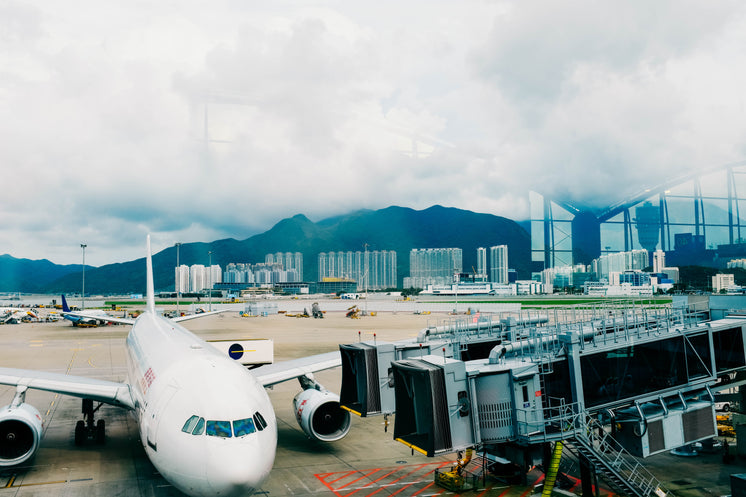
When it comes to air travel, the allure of private airplanes is undeniable. They offer unparalleled convenience, flexibility, and comfort, allowing individuals to avoid the hassles of commercial flying. However, the costs associated with owning and operating a private aircraft can be substantial. In this article, we will delve into the various factors that contribute to the overall expense of owning a private airplane, providing a detailed breakdown of both initial and ongoing costs.
Initial Costs of Purchasing a Private Airplane
The first step in owning a private airplane is making the initial purchase. The price of a private aircraft can vary dramatically based on several factors, including the type of aircraft, age, condition, and brand.
- Type of Aircraft: Private airplanes can be categorized into several types, including light jets, mid-size jets, heavy jets, turboprops, and piston aircraft. For example, a light jet like the Cessna Citation Mustang can cost around $3 million, while a heavy jet like the Gulfstream G650 can exceed $70 million.
New vs. Used: Purchasing a new aircraft typically comes with a higher price tag compared to buying a used one. However, new airplanes often come with warranties and the latest technology, which can be beneficial in the long run. Used aircraft can range from a few hundred thousand dollars to tens of millions, depending on their age and condition.
Customization: Many owners choose to customize their aircraft to suit their personal preferences. This can include luxury interiors, advanced avionics, and other modifications. Customization can significantly increase the initial cost of the aircraft.
Financing and Insurance: Most buyers do not pay for their aircraft outright; instead, they finance a portion of the purchase. Interest rates on loans can vary, impacting the overall cost. Additionally, insurance is a critical expense that varies based on the aircraft type, usage, and pilot experience. Expect to pay anywhere from $10,000 to $50,000 annually for insurance.
Ongoing Operating Costs
Once the aircraft is purchased, the ongoing operating costs begin to accumulate. These costs can be substantial and should be carefully considered before making a commitment to ownership.
- Fuel Costs: Fuel is one of the most significant recurring expenses for private aircraft owners. The price of aviation fuel fluctuates, but on average, a light jet can consume around 150 gallons of fuel per hour. With fuel prices averaging $5 per gallon, this translates to approximately $750 per hour of flight time. Larger jets consume even more fuel, leading to higher costs.
Maintenance and Inspections: Regular maintenance is essential for the safety and longevity of an aircraft. Owners must budget for routine inspections, repairs, and parts replacement. If you liked this report and you would like to obtain more info relating to private jets charter (
Https://worldclassjets.net) kindly pay a visit to our web page. Depending on the aircraft type and usage, annual maintenance costs can range from $20,000 to over $100,000. Additionally, aircraft must undergo periodic inspections mandated by aviation authorities, which can be costly.
Hangar Fees: Storing a private airplane requires hangar space, which can be a significant expense. Hangar fees vary by location and can range from $300 to $2,000 per month, depending on the airport and the size of the aircraft. In busy metropolitan areas, fees tend to be on the higher end of this spectrum.
Crew Salaries: If the aircraft is large enough, owners may need to employ a pilot or a full crew. Salaries for pilots can vary based on experience and aircraft type, but a typical annual salary for a private jet pilot ranges from $75,000 to $150,000. Additionally, if the aircraft is used frequently, owners may need to hire additional crew members, which adds to the overall cost.
Landing and Ramp Fees: Every time a private aircraft lands at an airport, it may incur landing and ramp fees. These fees can vary significantly based on the airport and the size of the aircraft. On average, landing fees can range from $100 to $500, while ramp fees can add an additional $50 to $200 per visit.
Depreciation: Like any other asset, aircraft depreciate over time. The rate of depreciation can vary based on the aircraft type and market conditions, but owners should be prepared for a decrease in value over the years. On average, aircraft can depreciate between 5% to 10% annually.
Additional Considerations
In addition to the direct costs associated with owning a private airplane, there are other factors to consider that can impact the overall expense.
- Tax Implications: Aircraft ownership can have various tax implications, including sales tax at the time of purchase and potential tax deductions for business use. It is advisable to consult with a tax professional to understand the financial ramifications of aircraft ownership.
Chartering vs. Ownership: For those who do not fly frequently, chartering a private aircraft may be a more cost-effective option compared to ownership. Chartering eliminates many of the ongoing costs associated with ownership, allowing individuals to enjoy the benefits of private flying without the financial burden.
Resale Value: When considering the purchase of a private airplane, it’s essential to think about the potential resale value. Some aircraft retain their value better than others, so researching market trends and demand for specific models can help owners make informed decisions.
Membership Programs: Some companies offer fractional ownership or membership programs that allow individuals to purchase a share of an aircraft. This can significantly reduce the costs associated with ownership while still providing access to private flying.
Conclusion
Owning a private airplane can be an exhilarating experience, offering freedom and flexibility in travel. However, it is crucial to understand the full scope of costs involved, from the initial purchase price to ongoing operating expenses. By carefully considering these factors and conducting thorough research, potential owners can make informed decisions that align with their financial goals and flying needs. Whether opting for full ownership, chartering, or exploring fractional ownership, understanding the true cost of private aviation is essential for a rewarding experience in the skies.